

Key Takeaways
Businesses can benefit from liquidating current racking systems, potentially generating cash flow and recovering 30%-60% of initial investments through effective dismantling and removal strategies.
To optimize asset recovery, strategic planning is crucial. Aligning dismantling projects with financial goals helps minimize disruptions to ongoing operations.
Implementing preparatory measures, including a comprehensive checklist and ensuring site readiness, plays a vital role in achieving an efficient racking dismantling process.
Safety during dismantling involves employing trained professionals, utilizing appropriate lifting equipment, and adhering to systematic work practices to mitigate risks and sustain productivity.
Selecting experienced contractors renowned for their expertise in warehouse equipment removal bolsters confidence in successful dismantling and asset recovery outcomes.
A top-tier dismantling team exemplifies professionalism, effective communication, and adept problem-solving abilities, fostering a collaborative and secure environment.
Gaining an understanding of the typical timeline for dismantling projects allows businesses to set realistic expectations and align stakeholders, facilitating a smoother transition throughout the endeavor.
Maximizing Asset Value During Racking Removal
Understanding the Financial Benefits of Racking Liquidation
Diving into the financial benefits of racking liquidation reveals an often-overlooked opportunity for businesses to recover costs and generate additional revenue. Liquidating surplus warehouse equipment can help offset project expenses while turning underused assets into cash. Equipment that is no longer needed may still hold significant resale value, allowing businesses to recover part of their original investment.
The dismantling and removal of racking, shelving, and warehouse equipment can provide businesses with an opportunity to recover costs through effective liquidation strategies. Depending on market demand, equipment condition, and resale potential, companies may recoup a substantial portion of their initial investment. Key financial advantages include:
- Direct cash inflow from selling surplus or replaced equipment.
- Recovery of valuable components that can be refurbished or resold.
- Reduced disposal expenses by finding buyers for reusable materials.
- Lower project costs through efficient dismantling, removal, and liquidation planning.
A well-organized racking liquidation strategy helps businesses maximize asset value while controlling warehouse clearance expenses. Success depends on evaluating equipment condition, understanding current market demand, and choosing the right resale channels. Partnering with experienced professionals can also streamline the removal process, improve recovery opportunities, and help businesses achieve better financial results.
Strategic Planning for Optimal Asset Recovery
The significance of strategic planning in racking removal cannot be overstated. Crafting a tailored action plan engages various stakeholders and uncovers all potential avenues for asset recovery. Companies gain from aligning dismantling projects with financial objectives while keeping operational disruptions to a minimum.
An effective asset management strategy generally includes:
- Conducting a thorough inventory audit prior to removal.
- Identifying potential buyers or liquidation partners.
- Analyzing market trends to guide sale timing.
Being proactive is key. Companies that plan meticulously frequently see enhancements in their financial performance, ensuring that the dismantling and removal of racking is viewed not merely as a cost but as a valuable opportunity. This approach allows businesses to navigate the process with assurance and clarity.
Steps to a Smooth Racking Dismantling Process
Key Preparatory Measures for Efficient Removal
The steps taken at the outset can determine the success of the dismantling endeavor. Proper preparatory measures are foundational for a successful project. Experts assert that a comprehensive checklist can boost efficiency and reduce risks during dismantling. Here are critical steps to contemplate:
- Engage a skilled project manager experienced in warehouse dismantling.
- Conduct safety briefings and training for all involved personnel.
- Prepare the site, ensuring that all equipment is adequately documented and accessible.
Attention to logistics and communication cannot be overlooked. All personnel should be updated about timelines and responsibilities, fostering a collaborative environment. With solid groundwork, the dismantling process transitions from merely smoother to decidedly more effective.
Expert Techniques for Safe Racking Dismantling
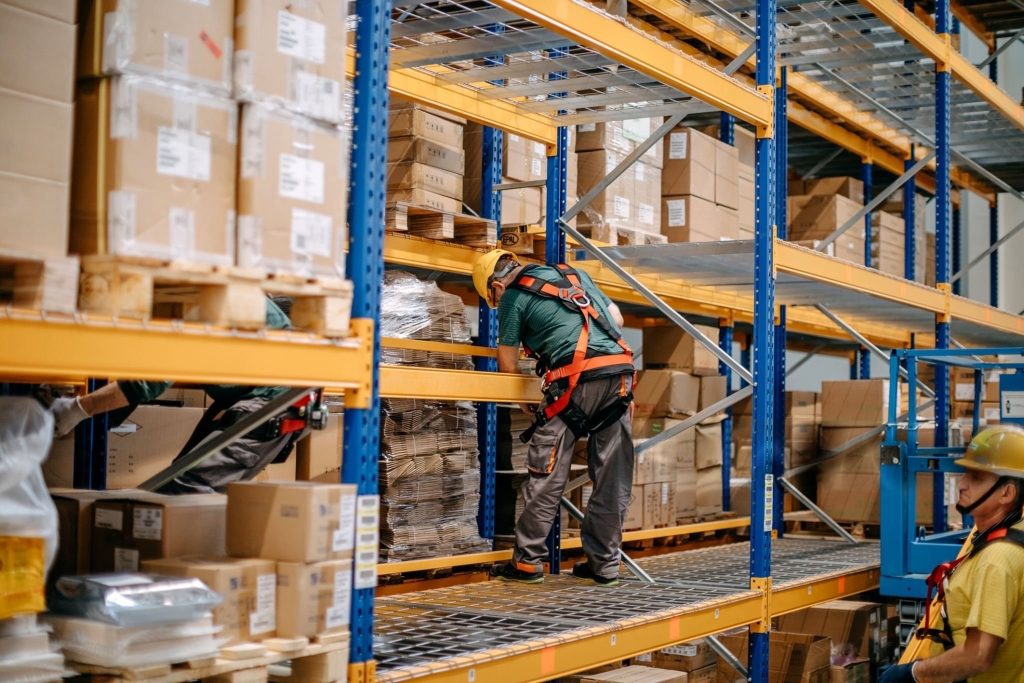
When safety is at the forefront of dismantling, adhering to verified techniques is essential. Professionals universally advocate for ensuring that only trained individuals undertake the dismantling and removal of racking. This practice minimizes risks to both workers and assets. Here are some expert techniques poised to guarantee safety and efficiency:
- Utilize specialized lifting equipment and tools specifically designed for dismantling tasks.
- Ensure all team members don appropriate safety gear.
- Operate in an orderly fashion, managing large sections of racking in feasible portions.
By adopting these techniques, the risk of accidents diminishes, enabling productivity to flourish throughout the process. Businesses can proceed with confidence, prioritizing the safety of their workforce.
Choosing the Right Professionals for the Job
Evaluating Experience in Warehouse Equipment Removal
Selecting the appropriate team for dismantling projects can significantly shape outcomes. Many businesses struggle to evaluate potential contractors. What should take precedence? The experience in warehouse equipment removal stands paramount. Scrutinizing past projects and client testimonials instills confidence in the selection process.
Reliable professionals typically exhibit:
- A proven history of successful dismantling projects.
- A solid understanding of safety regulations and compliance standards.
- The adaptability to fit into existing warehouse conditions and constraints.
Teams with extensive experience not only bring a wealth of knowledge but also insights into efficient procedures designed to minimize downtime. They grasp the nuances that can impact the dismantling process, ultimately aiding in asset recovery and risk reduction.
Qualities of a High-Caliber Dismantling Team
Defining a high-caliber dismantling team requires looking beyond mere experience. Essential attributes encompass professionalism, responsiveness, and adeptness in project management. These qualities cultivate collaboration and build trust.
- Strong communication skills – keeping all parties informed.
- Problem-solving capabilities – promptly addressing unexpected hurdles.
- A steadfast commitment to safety – ensuring team well-being across the board.
Engaging with teams that exemplify these traits strengthens a business’s potential for successful dismantling and removal of racking, all while minimizing disruption. The best contractors don’t simply meet expectations; they routinely exceed them.
What to Expect During the Racking Removal Journey
A Timeline for the Dismantling Process
Gaining insight into the dismantling process timeline can help reduce uncertainties and bolster planning confidence. Generally, dismantling projects may span from days to several weeks, influenced by the project’s complexity and operational scale. Take note of these key stages often present in the timeline:
- Pre-project planning and assessment – 1-2 weeks.
- Site preparation and safety measures – 1 week.
- Dismantling operations – 1-3 weeks, contingent on size and scope.
Establishing clear timelines with all involved stakeholders is essential. Timelines introduce accountability, ensuring that everyone remains aligned on progress. Setting realistic expectations greatly aids in creating a smoother transition during the project’s duration.
Clear Communication and Coordination with Your Team
Maintaining clear communication throughout the dismantling process is vital. Teams should set up regular checkpoints to discuss progress, setbacks, and strategies for tackling challenges. Effective communication enables coordinated efforts that uphold efficiency, ensuring the dismantling process stays on track.
To improve communication, businesses might consider:
- Designating a contact person for direct questions and feedback.
- Utilizing project management software to provide updates and timelines.
- Conducting regular briefing sessions in order to align efforts and clarify expectations.
Ultimately, the objective is to foster an atmosphere of trust and transparency. By establishing clear lines of communication, teams become more agile in addressing concerns or re-evaluating strategies, which ultimately leads to a successful outcome in the racking dismantling project.
FAQ
What types of businesses can benefit from racking dismantling services?
Nearly any industry utilizing warehouse space, spanning retail to manufacturing, can take advantage of racking dismantling services. This process aids in optimizing space, enhancing operational efficiency, and generating cash flow through asset recovery.
How do businesses determine the right time for racking removal?
Timing is influenced by various factors, such as growth trends, renovations, or the acquisition of new equipment. Companies often assess operational efficiency, space utilization, and financial goals to determine when dismantling is most beneficial.
What criteria should businesses use to select a liquidation partner?
Organizations should seek liquidation partners demonstrating a proven track record, strong market connections, and expertise in the specific types of racking and equipment being dismantled. Client testimonials and a history of favorable outcomes are essential indicators.
How can a company prepare its workforce for the dismantling process?
Preparing the workforce necessitates training personnel on safety protocols and dismantling procedures. Holding safety briefings and workshops ensures that each team member understands best practices and is aware of their roles during the project.
What equipment is typically used during racking and dismantling?
Commonly utilized equipment features forklifts, pallet jacks, power tools, and safety gear. Employing the correct tools guarantees that the dismantling is not only efficient but also safe for all involved workers.
What are the common challenges faced during a racking removal project?
Challenges can comprise unexpected structural issues, time constraints, and the coordination of different stakeholders. Effective planning and experience can help address these obstacles and maintain project momentum.
Can damaged racking systems still provide value during liquidation?
Certainly. Even damaged racking systems can yield value, enabling companies to recover material costs or salvage components for refurbishment or resale. The focus should be on maximizing returns, irrespective of the equipment’s current condition.
How does a business maintain compliance during the dismantling process?
Compliance is ensured by adhering to safety regulations and training all employees on safety standards pertinent to dismantling. Consultation with experienced contractors can provide additional assurance that all necessary guidelines are observed.
Useful Resources
- Occupational Safety and Health Administration (OSHA)– Guidelines on workplace safety protocols.
- American National Standards Institute (ANSI)– Information on standards for safety and equipment in the workplace.
- International Organization for Standardization (ISO)– Resources for international standards on quality management and safety.
- Lean Enterprise Institute– Provides education on lean management principles that can optimize processes and reduce waste.
- APICS – Association for Supply Chain Management– Offers resources related to supply chain management and warehouse operations.
- Safety+Health Magazine– Articles and resources on workplace safety practices and standards.
- National Center for Biotechnology Information (NCBI)– Research publications related to occupational health and safety.
- Structural Building Components Association (SBCA)– Information on engineering and safety practices in construction and dismantling.
- The Fabricator– A resource for trends and strategies in the metal fabrication industry, including racking systems.