

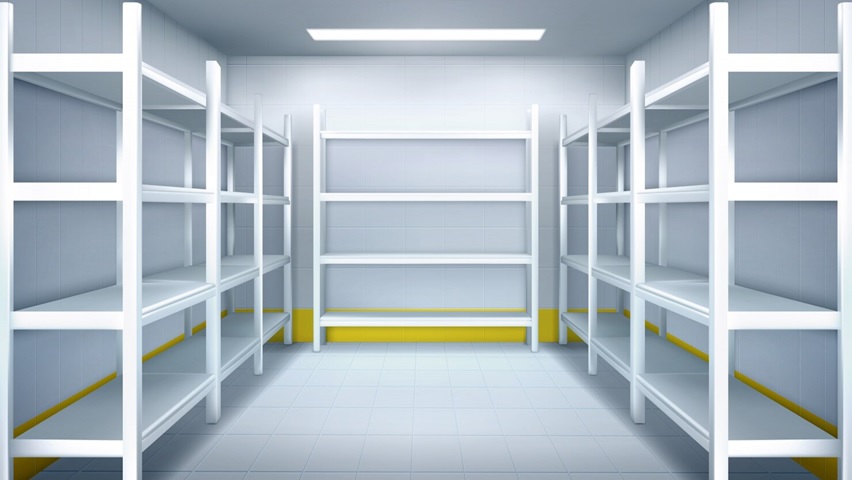
Investing in a cool room or freezer unit represents a significant financial commitment for any business. Whether you’re running a restaurant, catering company, convenience store, or medical facility, making the wrong decision can cost you thousands of dollars and create operational headaches that persist for years. Unfortunately, many Perth business owners rush into purchasing decisions without fully understanding their requirements, leading to costly mistakes that could have been easily avoided.
This comprehensive guide identifies the most common cool room buying errors and provides actionable solutions to help you make an informed investment decision. By understanding these pitfalls before you commit, you’ll save money, avoid frustration, and ensure your refrigeration solution truly meets your business needs.
Mistake #1: Buying Before Considering Hire Options
Perhaps the most fundamental error businesses make is assuming purchase is their only option without exploring alternatives. Many companies need refrigeration capacity for specific seasons, temporary expansions, or short-term projects where buying simply doesn’t make financial sense.
The Problem: A new catering business invests $15,000-$30,000 in purchasing a cool room, only to discover their actual usage is sporadic. During quiet periods, the unit sits underutilized while still consuming power and requiring maintenance. The capital that could have been invested in marketing, staff training, or menu development is instead locked into a depreciating asset.
The Solution: Before committing to a purchase, honestly assess your usage patterns. If you need refrigeration for:
- Seasonal peak periods only
- Special events or temporary projects
- Testing a new business concept
- Covering equipment repairs or renovations
- Short-term capacity expansion
Then exploring Freezer room Hire Perth options makes considerably more financial sense. Hire arrangements provide flexibility, preserve working capital, and eliminate long-term maintenance obligations. You can always purchase later once your requirements stabilize and the business case becomes clear.
Mistake #2: Underestimating Size Requirements
One of the most expensive mistakes is purchasing a cool room that’s too small for your actual needs. Unlike many business assets, you can’t easily upgrade refrigeration capacity—you’re essentially forced to purchase a second unit or replace the original entirely.
The Problem: Business owners calculate their current inventory, measure existing storage needs, and purchase a unit that perfectly accommodates today’s requirements. However, they fail to account for:
- Business growth over the next 3-5 years
- Seasonal inventory fluctuations
- Bulk purchasing opportunities
- New product lines requiring refrigeration
- Regulatory buffer space requirements
- Staff workspace inside the unit
Within 12-18 months, they’re playing refrigeration Tetris, compromising air circulation, and considering costly expansion options.
The Solution: When calculating size requirements, apply the “30% rule”—purchase a unit at least 30% larger than your current maximum usage. This buffer accommodates growth, prevents overcrowding that reduces efficiency, and provides the flexibility to capitalize on bulk purchasing opportunities. Better to have slightly more space than needed than to be constantly constrained.
Additionally, consider vertical space utilization. Units with higher ceilings allow for taller shelving systems, effectively increasing capacity without expanding the footprint.
Mistake #3: Choosing the Wrong Temperature Range
Cool rooms and freezer rooms serve distinctly different purposes, yet businesses often purchase the wrong type for their specific requirements—or worse, try to use one unit for applications requiring both temperature ranges.
The Problem: A seafood wholesaler purchases a standard cool room maintaining +2°C, assuming it’s adequate for their needs. However, they discover certain products require frozen storage at -18°C. They’re forced to either purchase additional equipment, rent external freezer space, or compromise product quality and safety.
The Solution: Clearly identify what you’ll be storing and match equipment to those precise requirements:
Cool Rooms (+0°C to +4°C): Ideal for fresh produce, dairy, prepared foods, beverages, and most perishable items requiring short-term storage.
Freezer Rooms (-18°C to -24°C): Essential for long-term meat storage, frozen foods, ice cream, seafood, and items requiring preservation beyond a few days.
Dual-Temperature Systems: For businesses needing both refrigeration types, dual-temperature units or separate chambers prevent the compromise of trying to use a single unit for incompatible purposes.
If your needs genuinely span both temperature ranges and you’re uncertain about the long-term mix, starting with Freezer rooms Perth hire options allows you to test operational requirements before committing to a purchase.
Mistake #4: Ignoring Energy Efficiency
The sticker price is only the beginning of cool room costs. Energy consumption represents an ongoing expense that continues for the equipment’s entire lifespan—potentially 15-20 years. Yet many buyers focus exclusively on upfront costs, overlooking efficiency specifications that dramatically impact long-term operating expenses.
The Problem: A business saves $5,000 by purchasing a less efficient model, congratulating themselves on the bargain. However, the unit consumes an additional $150 per month in electricity compared to a more efficient alternative. Over ten years, that “saving” costs them $18,000 in excess power bills—plus the environmental impact of unnecessary energy consumption.
The Solution: Evaluate total cost of ownership, not just purchase price. When comparing models, examine:
- Energy star ratings and efficiency certifications
- Insulation quality and thickness (minimum 100mm polyurethane)
- Compressor technology (scroll compressors typically outperform reciprocating types)
- Door seals and construction quality
- LED lighting versus traditional bulbs
- Smart controls and temperature management systems
Calculate the payback period for higher-efficiency models. Often, the additional upfront investment pays for itself within 2-3 years through energy savings, making it a financially sound decision even before considering environmental benefits.
Mistake #5: Overlooking Installation Requirements
Cool room installation isn’t as simple as delivery and plug-in. Inadequate planning for installation requirements creates delays, unexpected costs, and sometimes renders the purchased unit unusable in your intended location.
The Problem: A restaurant purchases a large cool room without verifying:
- Floor load-bearing capacity (units plus inventory can weigh several tonnes)
- Door width and corridor clearance for delivery
- Electrical capacity and circuit requirements
- Drainage provisions for defrost water
- Adequate ventilation for compressor heat dissipation
- Local council permits or building code compliance
The unit arrives, but installation discovers the floor requires reinforcement, electrical upgrades are necessary, and council approval takes weeks. The “ready to go” purchase becomes a month-long project with thousands in unexpected costs.
The Solution: Before purchasing, conduct a thorough site assessment:
- Have a structural engineer assess floor capacity if installing on upper levels
- Measure all doorways, corridors, and staircases along the delivery path
- Engage a licensed electrician to verify power requirements
- Check with local authorities about permits and regulations
- Ensure adequate space for heat dissipation (typically 300-500mm clearance)
- Plan for drainage access and condensation management
Reputable suppliers should offer site visits and installation assessments as part of their sales process. If they don’t, consider it a red flag.
Mistake #6: Buying from Unreliable Suppliers
The lowest price often comes from suppliers who cut corners on quality, service, or support. When refrigeration fails, you face spoiled inventory, lost revenue, and potentially food safety violations. Supplier reliability isn’t a luxury—it’s essential risk management.
The Problem: A buyer purchases from an unknown supplier offering prices 30% below market rates. The unit arrives with substandard components, poor construction quality, and no local service support. When problems arise (and they will), the supplier is unresponsive, replacement parts are unavailable, and the business faces extended downtime.
The Solution: Vet suppliers thoroughly:
- Verify industry experience and track record (minimum 5+ years)
- Check references from similar businesses
- Confirm warranty terms (standard is 1-2 years parts and labor)
- Ensure local service availability and response times
- Review online reputation and complaint history
- Verify compliance with Australian standards and certifications
- Understand the supplier’s financial stability
Sometimes paying moderate premium prices for established, reputable suppliers represents genuine value through peace of mind, responsive support, and reliable warranty service.
Mistake #7: Neglecting Maintenance Planning
Cool rooms require regular maintenance to operate efficiently and reliably. Yet many buyers treat them as “set and forget” equipment, only addressing issues when catastrophic failures occur.
The Problem: A business purchases a cool room but allocates no budget for preventive maintenance. Filters become clogged, coils accumulate dust, door seals deteriorate, and refrigerant levels drop. Efficiency decreases, energy costs climb, and eventually a major component fails—resulting in emergency repairs costing several times what routine maintenance would have cost.
The Solution: Establish a maintenance schedule from day one:
Monthly Tasks:
- Clean condenser coils
- Check door seals and gaskets
- Inspect and clean drain lines
- Verify temperature accuracy
Quarterly Tasks:
- Professional refrigerant level check
- Compressor inspection
- Electrical connection assessment
- Calibrate temperature controls
Annual Tasks:
- Comprehensive system inspection by licensed technician
- Replace worn components proactively
- Update maintenance logs for compliance
- Review energy consumption patterns
Budget approximately 5-8% of the unit’s purchase price annually for maintenance and repairs. This proactive investment prevents major failures and extends equipment lifespan significantly.
Mistake #8: Buying New When Quality Used Options Exist
Brand new equipment isn’t always necessary. Quality used or refurbished cool rooms offer substantial savings while delivering reliable performance when sourced responsibly.
The Problem: A startup business with limited capital stretches their budget to purchase new equipment, leaving insufficient working capital for other critical needs. They could have acquired suitable used equipment for 40-60% less, preserving resources for inventory, marketing, and operations.
The Solution: Consider used options when:
- Budget constraints are significant
- You need standard configurations rather than custom designs
- The business is new and requirements may evolve
- You’re comfortable with slightly older technology
When buying used:
- Inspect equipment personally or hire a refrigeration technician
- Verify operational history and maintenance records
- Ensure refrigerant type is current (not obsolete CFC-based systems)
- Confirm availability of replacement parts
- Get warranty coverage even if limited
- Have installation performed by qualified professionals
Reputable suppliers often offer refurbished units with warranties, providing a middle ground between new and used.
Mistake #9: Forgetting Future Flexibility
Business needs evolve, yet many buyers purchase highly specialized equipment that can’t adapt to changing requirements.
The Problem: A business customizes a cool room for one specific product line, incorporating fixed shelving, specialized racks, and purpose-built features. When market conditions shift and they need to store different products, the customization becomes a liability rather than an asset. They’re forced to work around the limitations or replace the entire unit.
The Solution: Prioritize flexibility:
- Choose modular shelving systems that reconfigure easily
- Select standard sizes that have strong resale markets
- Avoid over-customization unless absolutely necessary
- Consider units with adjustable temperature ranges
- Opt for mobile units over fixed installations when possible
Flexibility preserves options and protects your investment against changing business circumstances.
Mistake #10: Skipping Professional Advice
Refrigeration is complex, combining thermodynamics, electrical engineering, and regulatory compliance. Yet many buyers rely solely on sales representatives or their own limited knowledge when making purchase decisions.
The Problem: A buyer accepts a salesperson’s recommendations without independent verification, only discovering post-purchase that the unit doesn’t meet their actual needs, violates local regulations, or creates unforeseen operational challenges.
The Solution: Engage independent expertise:
- Consult with a refrigeration engineer before purchasing
- Have an electrician review power requirements
- Discuss with your local health department regarding compliance
- Talk with businesses similar to yours about their experiences
- Consider hiring a consultant for major investments
Professional advice costs money upfront but prevents expensive mistakes that cost far more in the long run.
When Hiring Makes More Sense Than Buying
After understanding these common mistakes, some businesses realize purchasing may not be their optimal strategy. Hiring becomes the smarter choice when:
- Your business is less than 2 years old and needs are still evolving
- You require capacity for specific seasons or events
- Capital preservation is critical for other growth initiatives
- You’re testing new products or markets
- You need flexibility to upgrade or change configurations
- Maintenance responsibility is a concern
- Your space constraints may require relocation
Professional hire services eliminate many purchase pitfalls while providing professional-grade refrigeration with predictable costs and minimal commitment.
Making Your Final Decision
Before committing to any cool room purchase:
- Document your precise requirements: Temperature ranges, capacity, access frequency, and growth projections
- Calculate total cost of ownership: Including energy, maintenance, repairs, and eventual replacement
- Get multiple quotes: From at least three reputable suppliers
- Inspect similar installations: Visit businesses using equipment you’re considering
- Review contracts carefully: Understanding warranties, service agreements, and obligations
- Plan installation comprehensively: Eliminating surprises and delays
- Consider hire alternatives: Especially for uncertain or evolving needs
Conclusion
Cool room purchases represent significant investments that impact your business for years. The mistakes outlined above have cost Perth businesses thousands of dollars in wasted capital, operational inefficiencies, and lost opportunities. By understanding these common errors and implementing the solutions provided, you’ll make informed decisions that truly serve your business needs.
Remember that purchasing isn’t always the right answer. Whether you buy new, acquire quality used equipment, or opt for hire arrangements, the key is matching your refrigeration solution to your actual requirements rather than making assumptions or rushing decisions you’ll later regret.
Take time to research thoroughly, consult with experts, and plan comprehensively. The effort invested in making the right decision pays dividends through years of reliable, efficient refrigeration that supports rather than hinders your business success.
Comments are closed.