
The Evolution of Smart Production Ecosystems: Integrating AI, IoT, and Human Intelligence in Modern Manufacturing

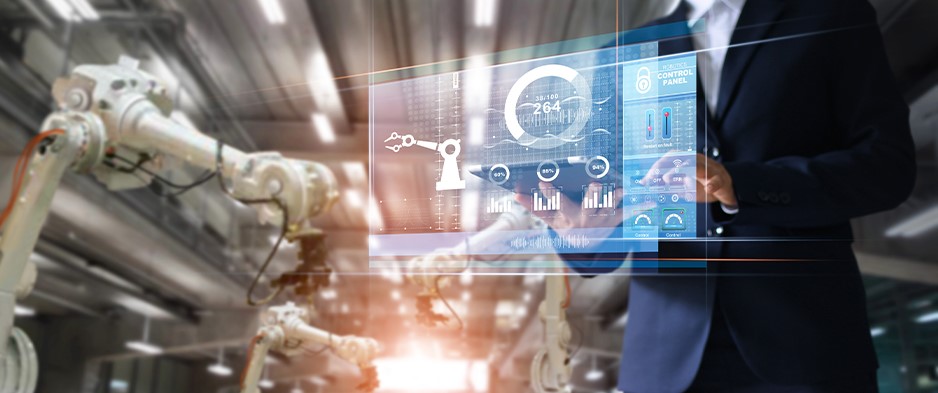
The production industry has entered a new era where machines, data, and human intelligence converge to create agile, self-optimizing systems. These smart production ecosystems are reshaping the way manufacturers design, produce, and deliver goods. This transformation goes far beyond automation — it’s about achieving continuous learning, flexibility, and sustainability through intelligent integration of advanced technologies.
Understanding the Smart Production Ecosystem
A smart production ecosystem is a digitally connected environment where machines, sensors, AI systems, and human operators communicate seamlessly. It’s a shift from isolated, mechanical automation to adaptive and intelligent networks that evolve in real time. Such systems utilize AI to process vast streams of operational data, allowing production processes to adjust dynamically based on current conditions.
Core Components of Smart Production Ecosystems
1. Artificial Intelligence and Machine Learning
AI algorithms enable predictive analytics, anomaly detection, and autonomous decision-making. For instance, a production line powered by AI can detect patterns that predict machine failures, optimizing maintenance schedules before breakdowns occur.
2. Internet of Things (IoT) Integration
IoT devices form the nervous system of modern production. Smart sensors track temperature, pressure, and vibration data across machines, helping manufacturers gain visibility over every stage of the process.
3. Cyber-Physical Systems (CPS)
CPS bridges the digital and physical worlds by embedding computation into physical processes. These systems enable real-time feedback loops that keep operations efficient and adaptable.
4. Human-Machine Collaboration
Rather than replacing people, smart systems empower them. Augmented reality (AR) interfaces and AI-driven dashboards give operators actionable insights, reducing downtime and improving decision accuracy.
5. Cloud and Edge Computing
While cloud computing centralizes data for global insights, edge computing processes data closer to production sources. This hybrid approach ensures rapid response times and data accuracy.
6. Secure Data Governance
With the proliferation of connected devices, cybersecurity and data integrity have become central to production success. Companies are now employing blockchain-based traceability and encrypted communication protocols to ensure system safety.
From Automation to Intelligence: A Strategic Transition
Traditional automation systems focused on repeatable, pre-programmed tasks. Smart production, however, introduces contextual intelligence — systems that learn, interpret, and make data-driven decisions. Instead of merely following instructions, machines understand operational patterns and adapt to anomalies autonomously.
Automation focuses on efficiency; intelligence focuses on adaptability. This means smart systems can optimize production flow based on market demand, energy availability, or raw material fluctuations. Such responsiveness is vital in industries like semiconductors, aerospace, and pharmaceuticals, where precision and timing are critical.
The Role of Data in Intelligent Production
Data is the lifeblood of smart ecosystems. Every machine, tool, and workstation generates a continuous stream of operational data that fuels decision-making models. When structured effectively, this data enhances transparency, traceability, and process optimization.
Key Data Strategies in Modern Production
-
Real-Time Data Collection: IoT-enabled devices continuously record production metrics to identify inefficiencies.
-
Predictive Maintenance: AI models analyze vibration and temperature data to predict failures before they happen.
-
Process Mining: Advanced analytics uncover hidden patterns in workflow execution.
-
Digital Twins: Virtual models of production systems simulate real-world performance to test improvements before implementation.
-
Integrated Dashboards: Decision-makers access unified control panels for cross-departmental insights.
Sustainability Through Smart Production
Sustainability is no longer a secondary consideration — it’s a production imperative. Smart ecosystems are helping industries minimize waste, reduce energy consumption, and promote circular economy models. Through data-driven resource management, organizations can monitor carbon footprints, optimize raw material usage, and design recyclable components.
Examples of sustainability-driven innovations include:
-
Smart Energy Grids: Adaptive energy systems adjust power distribution in real-time to avoid overconsumption.
-
Closed-Loop Manufacturing: Sensors detect material waste and redirect it back into the production cycle.
-
Predictive Resource Planning: AI anticipates resource needs, preventing surplus production and material shortages.
These sustainable practices not only reduce environmental impact but also improve profitability by cutting operational costs and enhancing brand reputation.
Human Intelligence in the Loop
Despite rapid technological advances, human intelligence remains irreplaceable. The future of production depends on symbiotic collaboration between humans and intelligent systems. Operators provide contextual awareness, ethical judgment, and creative problem-solving that machines cannot replicate.
Enhancing Human Roles in Smart Production
-
Augmented Reality Assistance: AR devices guide technicians through complex tasks with real-time visual instructions.
-
Skill Enhancement Through AI: Machine learning platforms suggest process optimizations that help workers learn continuously.
-
Collaborative Robots (Cobots): Designed to work safely alongside humans, cobots handle repetitive tasks, freeing workers for higher-value roles.
-
Decision Support Systems: Data analytics platforms present humans with actionable recommendations rather than raw data.
This human-centered approach ensures that technology amplifies human potential instead of rendering it obsolete.
Challenges in Building Smart Production Ecosystems
While the benefits are undeniable, transitioning to intelligent ecosystems presents significant challenges:
-
Integration Complexity: Legacy systems often lack compatibility with modern technologies.
-
Data Silos: Many organizations struggle to unify data across departments and supply chains.
-
Cybersecurity Threats: Increased connectivity widens the attack surface for potential breaches.
-
Talent Shortages: Skilled workers who can bridge operational expertise with digital fluency are in high demand.
-
Scalability Issues: Implementing pilot smart systems is easier than scaling them across global facilities.
-
Cost Considerations: Upgrading infrastructure and retraining personnel involve significant investment.
Overcoming these challenges requires a strategic transformation roadmap, encompassing technology adoption, workforce training, and governance alignment.
Future of Production: Autonomous and Resilient Systems
The next phase of smart production will focus on autonomous adaptability — systems capable of making independent, ethical, and strategic decisions. This evolution will likely include self-healing machines, AI-powered production scheduling, and fully integrated digital twins that mirror entire supply networks.
Resilience will become a key differentiator. In an era of global disruptions, intelligent production systems that can reconfigure themselves in response to supply chain changes or demand spikes will define industrial competitiveness.
FAQs
1. What distinguishes smart production from traditional automation?
Traditional automation performs repetitive tasks, while smart production systems learn and adapt to optimize performance based on real-time data.
2. How does AI enhance production efficiency?
AI identifies inefficiencies, predicts maintenance needs, and optimizes resource allocation to minimize downtime and energy waste.
3. Are smart production systems expensive to implement?
Initial costs can be high, but long-term ROI is significant due to improved productivity, reduced waste, and predictive maintenance benefits.
4. What role do humans play in smart production environments?
Humans provide strategic oversight, creativity, and contextual understanding that machines cannot replicate, ensuring balanced collaboration.
5. How does IoT contribute to production optimization?
IoT devices collect continuous performance data, allowing predictive analytics to streamline production and enhance operational visibility.
6. What industries benefit most from smart production ecosystems?
Industries such as automotive, aerospace, pharmaceuticals, and electronics gain the most from data-driven, precision-oriented production systems.
7. What future trends will shape intelligent production?
Key trends include AI-driven digital twins, autonomous supply chains, quantum-based optimization, and decentralized data governance.
Comments are closed.